

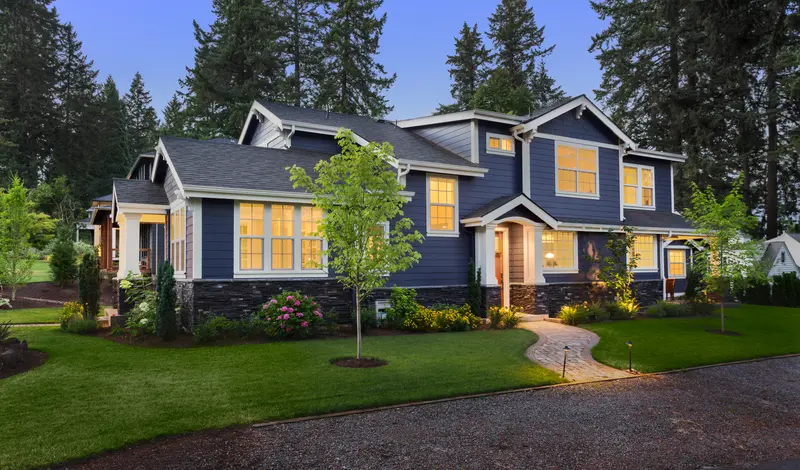
Homeowners in Western North Carolina frequently ask how many years their siding can withstand our humid summers and freezing winters before requiring a fresh coat of paint. The lifespan of your exterior finish depends on local weather patterns, the type of siding material on your house, and the quality of the previous application. Understanding these variables helps you protect your property from moisture damage and wood rot before expensive repairs become necessary. Explore our professional insights on maintaining your home below, or learn more about our dedicated exterior painting options. You can also view our helpful frequently asked questions to discover how we prepare surfaces for the mountain climate.
Understanding the Local Mountain Climate Impact
Our local weather in Western North Carolina presents unique challenges for residential siding. High humidity during the summer months combined with heavy rainfall can cause wood siding to expand, while freezing winter temperatures cause it to contract. This constant movement puts immense stress on any paint film, eventually leading to microscopic cracks that let moisture seep behind the boards. If left unaddressed, this moisture leads to wood rot, peeling paint, and structural damage that requires costly repairs.
As an experienced painting contractor, we recommend inspecting your exterior walls annually for early warning signs of wear. Look closely at the south and west sides of your home, as these areas receive the most intense sunlight and ultraviolet radiation. UV rays break down the chemical bonds in paint, causing colors to fade and the protective binder to turn into a powdery chalk-like substance that washes away during heavy rains.
Siding that faces north often stays damp longer after rainstorms, making it highly susceptible to mold, mildew, and algae growth. Regularly pressure washing these shaded areas helps prevent organic growth from eating through your protective paint film and damaging your wood siding.
Average Lifespans by Siding Material
1. Traditional Wood Siding Wood siding typically requires a fresh coat of paint every three to seven years. Because wood is highly porous and moves with humidity changes, it needs regular maintenance to prevent moisture intrusion.
2. Fiber Cement and HardiePlank Fiber cement is incredibly durable and holds paint exceptionally well, usually lasting ten to fifteen years. The factory-applied coatings or professional repaints on this material resist moisture and fading far better than natural wood.
3. Aluminum and Vinyl Siding While vinyl siding does not require painting for color, older faded vinyl or aluminum siding can be painted to refresh your curb appeal. A professional application on these surfaces typically lasts ten to twelve years.
4. Brick and Stucco Painted brick and stucco are highly durable but require repainting every fifteen to twenty years. Elastomeric coatings are often used on stucco to bridge hairline cracks and prevent water penetration.
5. Cedar Shingles and Shakes Cedar shakes require attention every three to five years. They are often treated with semi-transparent or solid stains rather than traditional paint to allow the natural wood texture to breathe.
6. Composite Siding Engineered wood or composite siding materials generally need a fresh coat of paint every eight to ten years, depending on the amount of direct sunlight they receive.
7. Trim and Fascia Boards Exterior trim, soffits, and fascia boards usually require more frequent painting than the main siding. We suggest painting these high-exposure areas every three to five years to protect your roofline from rot.
Key Signs Your Home Needs a Fresh Coat of Paint
Waiting too long to paint can result in expensive wood replacement costs. Look for clear warning signs like paint cracking, flaking, or peeling away from the surface. Chalking is another common indicator; if you run your hand across your siding and a powdery residue transfers to your skin, the paint binder has broken down. Gaps between your siding boards and trim also signal that your protective seal has failed.
Our professional team at HB Pro Painting LLC has six years of experience identifying these early warning signs. Since establishing our business in 2017, we have helped local homeowners protect their investments by applying premium coatings designed to withstand the unique weather patterns of Western North Carolina.
Preventative exterior painting is far more affordable than replacing rotted wood siding. Taking care of your exterior surfaces early ensures your home remains beautiful and structurally sound for years.
If you want to evaluate the condition of your home, our team can provide a detailed assessment during a Contact Us. You can view some of our completed projects on our exterior painting service page, or read reviews from your neighbors under our testimonials.
Before and After: Protecting a Local Residence
This Hendersonville home required extensive wood prep and a complete exterior repaint to seal the siding against moisture and restore its original beauty.
Ready to Protect Your Home From the Elements?
Contact us today to schedule an evaluation of your home exterior. We will inspect your siding, identify any areas of concern, and provide a clear, written proposal to protect your property.
Contact Us